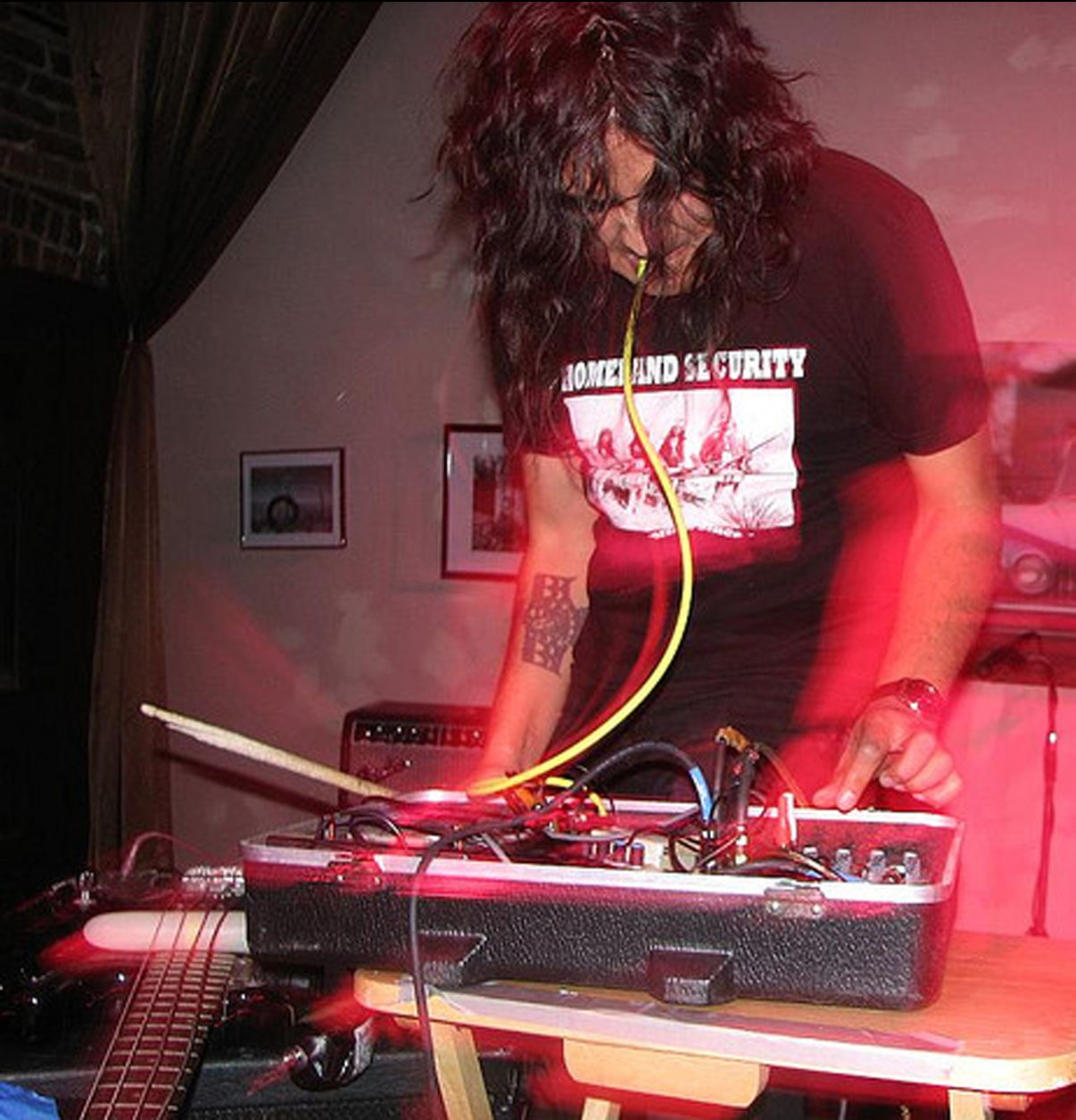
yUdjEha aKAyôya
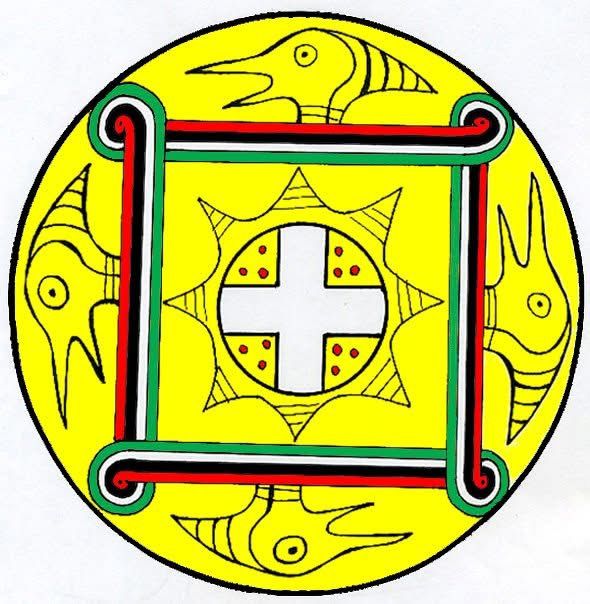
Yuchi Opening Song
Translated by Halay Turning Heart
Written by the Yuchi Language Project
“This song was written for the children at the Yuchi Language Project and is led by the children every morning first thing as a declaration and reminder of our purpose as we face the Sun and start the day with affirmation and intention. Many of the song lyrics are phrases our Elders used.“ - Halay Turning Heart, Project Administrator at the Yuchi Language Project.
YUCHI:
yUdjEha aKAyôya... yUdjEhalA'wAdA
yUdjEha zA'yada... s@nlA dOt@sh'a
yUdjEha KAdû... zOyaha KAdû
Ôzo yUdjEha gO'WAdAnA-A n@wadonô
yUdjEha Ânô sô KAÂnô
yUdjEhalA TahAÔK'âfA
gOh@nTOnA wAs@nlA
yUdjEha @yOôdaya... yUdjEhalA' WAdA
yUdjEhalA hOTa... yUdjEhalA hE'kû
gOh@nTOnA nedzAnÔtE
nÔzEOshEIA nÔzAtyûnô
nÔzA ky@hanô
n@ ÔwûlAnô agat'AjElA
TahAê Ôk'âfÂ
gOh@nTOnA WAs@nlA
ENGLISH:
If you are Yuchi speak Yuchi.
I really like that I am Yuchi.
I am Yuchi and a child of the Sun.
Our Yuchi language will not die.
We the Yuchi people are still here.
We are carrying on the Yuchi way of life.
God is good.
If you all know Yuchi speak Yuchi.
Teach the Yuchi way and
use the Yuchi language.
God we ask of you to
bless us, help us, watch over us.
We will not give up, every single day
we will carry it forward.
God is good.
Improvisation
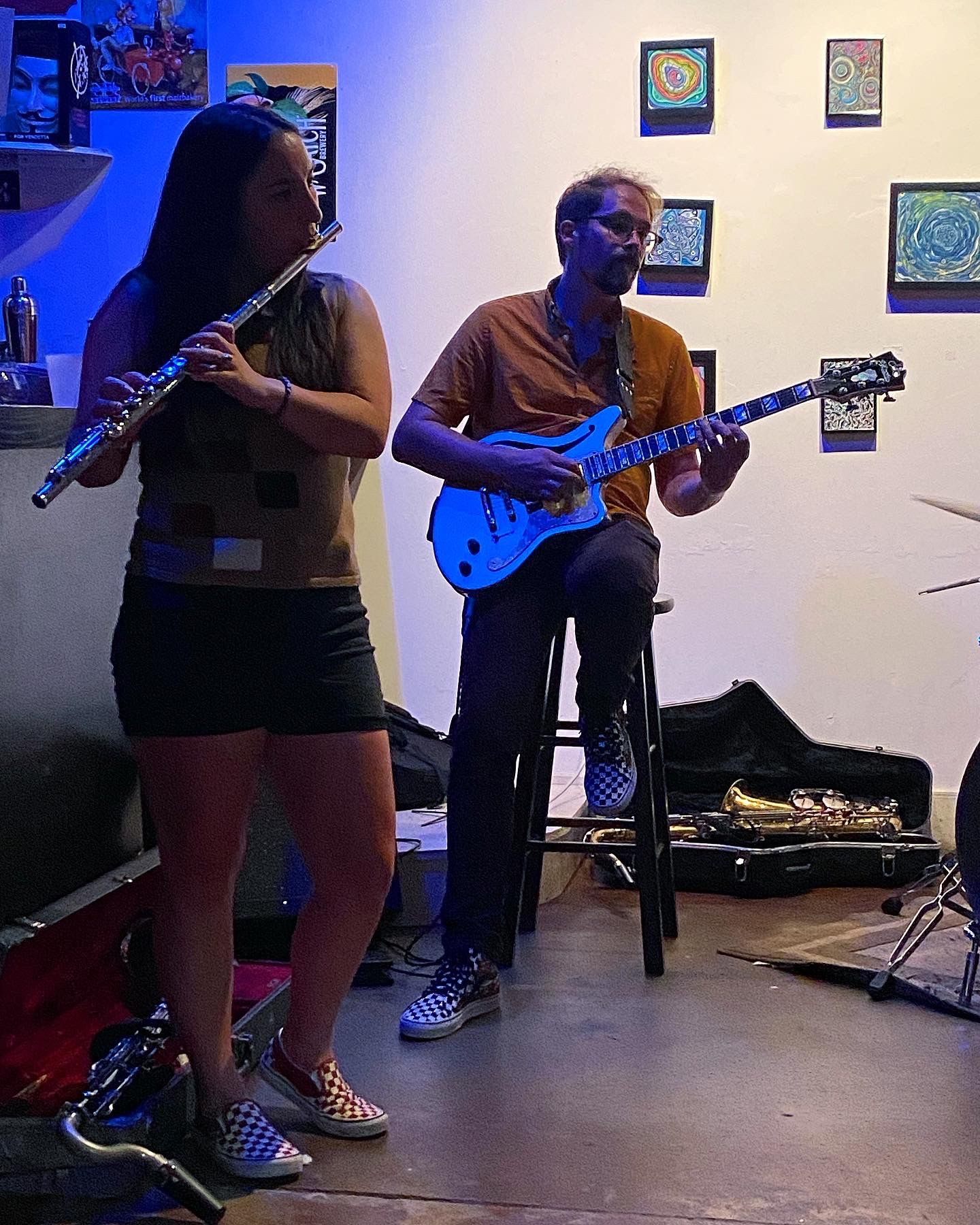
Cedar Flute - Aryn Ward, Mvskoke/Yuchi
Guitar - Jesse Ward
This piece honors the spirit of trust, deep listening, and creation in the moment in the true spirit of free improvisation. Guitarist Jesse Ward has long been part of Houston’s free improv scene, and his openness and artistry have profoundly shaped my own musical journey.
Without Jesse’s inspiration, acceptance, and mentorship, I wouldn’t be the musician I am today. His encouragement gave me the confidence to explore sound freely and to believe in my own voice as both a composer and performer. Jesse is also my brother-in-law, and I am endlessly grateful for his guidance and generosity. Mvto (thank you), Jesse, for all you’ve taught me along the way. - Aryn Ward
Jesse Ward is a versatile multi instrumentalist and composer who brings together jazz, world, and improvised music with a focus on deep listening and genuine expression. Drawing inspiration from a wide range of musical traditions and spontaneous collaboration, Ward aims to make music that feels magical, unpredictable and alive—creating spaces where musicians and listeners can meet in the moment and share in something unrepeatable and real. Ward is a graduate of Houston’s High School for the Performing and Visual Arts and also The New England Conservatory.
Grand Entry Medley
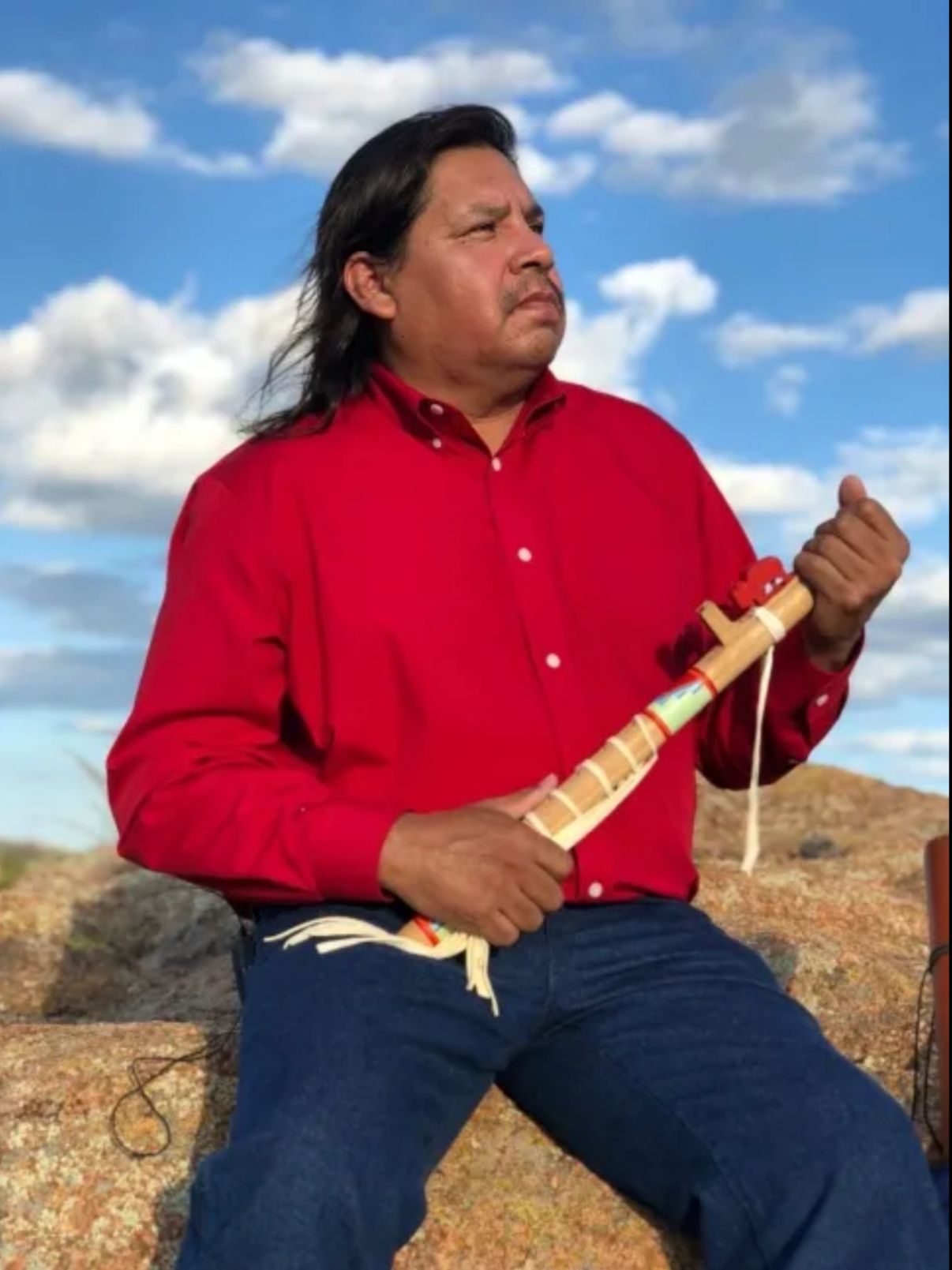
Mvt II: Native Flute
Walking in the Spirit
by Timothy Tate Nevaquaya, Comanche
arr. Giacona and Conlon
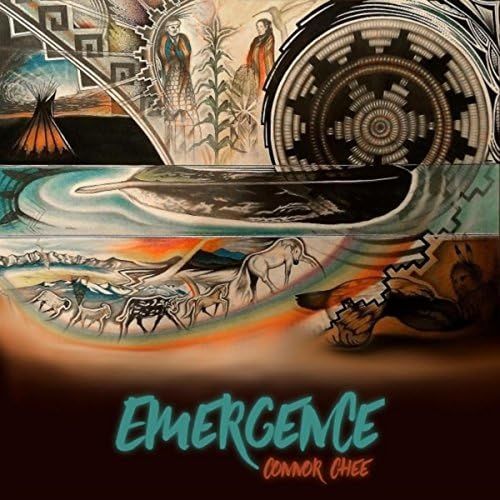
Coyotes
by Connor Chee, Diné
Coyotes is inspired by Diné creation stories, from the First World when two coyotes came into being: Great Coyote, born of the water, and First Angry, who claimed to exist before the people. I wanted to capture that mysterious threshold of becoming, when these creatures first stirred the stillness and shaped the balance between curiosity and chaos. Their voices weave through the music—the cautious wonder of Great Coyote and the restless energy of First Angry—each reflecting the tension between creation and disruption. The theme introduced here later returns in The Water Monster, connecting the collection of pieces through sound and story.
Reclaim the Land
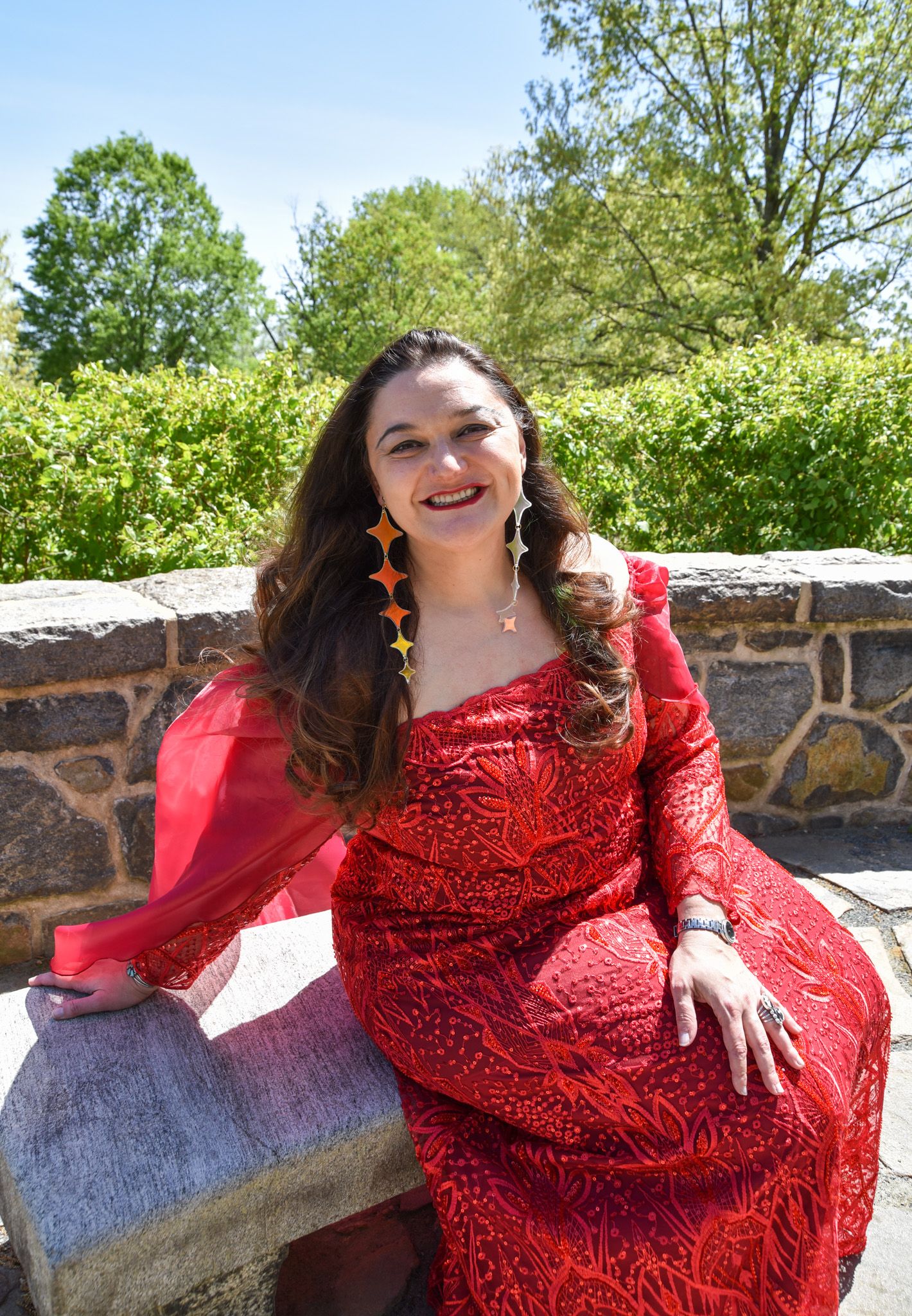
by Kirsten C. Kunkle
Written for the 150th anniversary of Yellowstone National Park
Commissioned by Mountain Time Arts
Reclaim the Land was submitted to the Dismantling Coalition’s Sacred Lands Playlist. It was accepted as part of our second volume of songs which will be released in 2026.
From the artist:
This song was commissioned by Mountain Time Arts for the 150th anniversary of Yellowstone National Park, specifically to be premiered by me at the All Nations Teepee Village.
The piece centers around Yellowstone specifically, but on a greater level, all lands, and the importance of preserving them and co-existing with the existing flora and fauna.
Being a Mvskoke (Muscogee) citizen, this work is meant to be a new anthem for Yellowstone and a tribute to all Indigenous peoples who support the nurturing of land in its most natural state.
Lyrics:
Now is the time,
Reclaim the land.
Share it, bridge the divide.
Reclaim the land,
And find a new day.
A new day.
Water has value.
Our people cannot be removed.
Hair stays long, and braids are never cut.
Schools do not exist to change us.
Women are no longer missing,
Our bodies never found.
Now is the time!
Now is the time!
The great arch stands.
Illuminated tipis demand attention amid the big sky.
We demand attention.
Now is the time.
The land is ours,
Sharing it with elk, bison, geysers, and trees…
The red sunset, snowy mountains, flowing water.
The collective breath that is nature.
Now is the time.
Remember who we are, and who we always have been.
Reclaim the land.
Become part of the landscape again!
Aria of Loksi
from Loksi’ Shali (Shell Shaker)
Jerod Impichchaachaaha’ Tate, Chickasaw
Grand Opera in Two Acts (90')
Commissioned by Tianhui Ng / Mount Holyoke Symphony Orchestra
Premiered March 19, 2022
Loksi’ Shali is a grand opera based on the Chickasaw legend of how turtle shells were given to the people for use in stomp dancing and ceremony. The story follows a young girl named Loksi’ (Turtle), who struggles to keep up with the other children and finds solace in her grandmother’s wisdom: when your heart is troubled, speak to the running water.
Seeking healing, Loksi’ sets out alone on a four-year journey guided by a vision from the river. Along the way, she befriends an old turtle whose presence teaches her patience, kindness, and the strength found in gentleness. Through this relationship, Loksi’ discovers her place in the world and the sacred connection between people, water, and the natural world.
The Aria of Loksi expresses this transformation: her prayer of acceptance and her awakening to purpose.
Aria of Inki’ from Loksi’ Shaali’ - Shell Shaker
Loksi’ nanna Ishyama’chika Ithanali.
Ishnaakookya Ishithá na’cho.
Chippo’si iyimmili.
Hapoyoksa kanika.
Ayimmi. Aya!
Loksi’! Aya!
Tikboklhili’ pichokwaacha O khina’ ala
Okhina’ootpisa
Chokmasachika ithanali.
Memories of Love
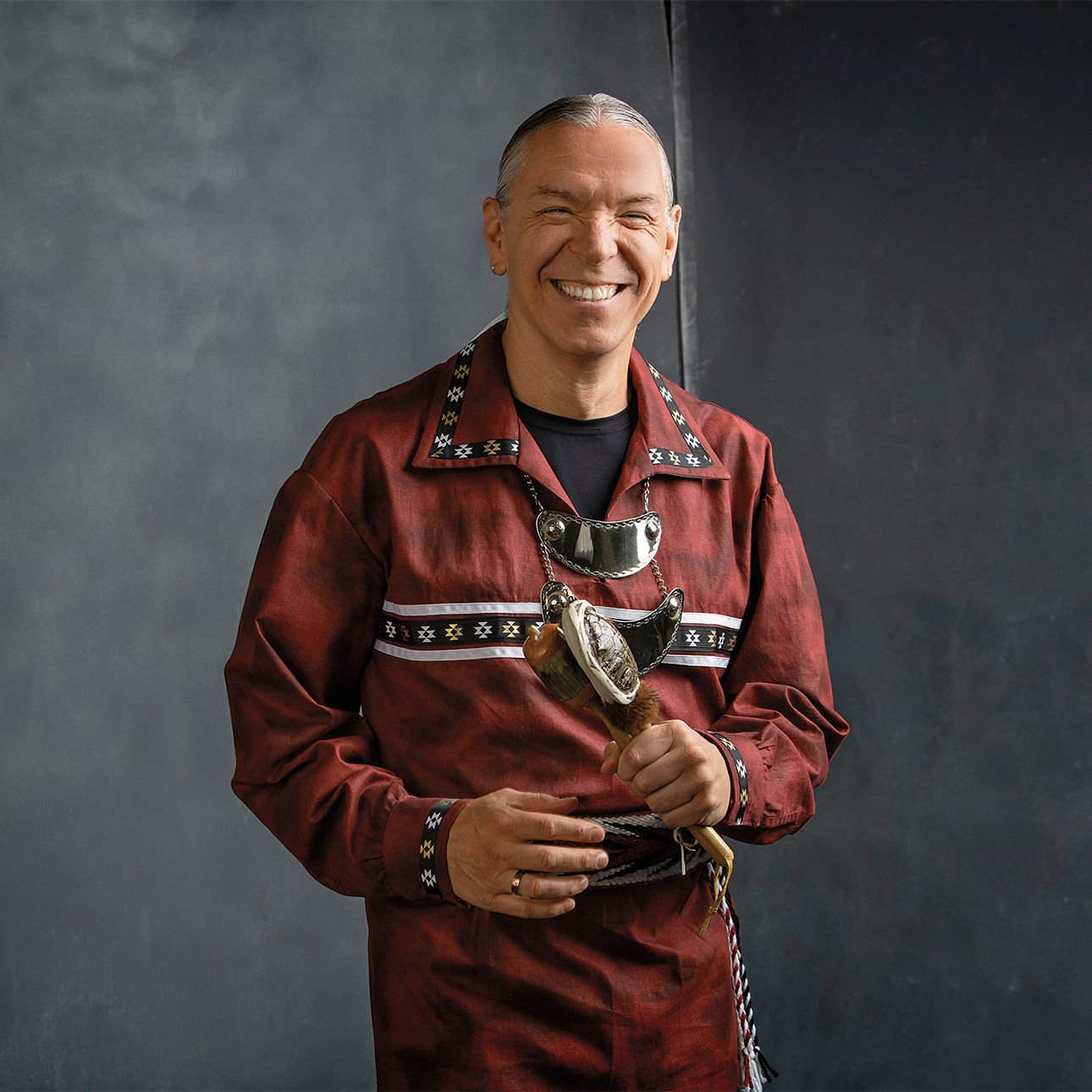
By Kiegan Ryan, Cherokee
Memories of Love is a collection of songs dedicated and written originally for Mark Billy. The songs explore different colorations of love between different groups of people from Mother to Child, romantic partners, and between Child and deceased parents. “From My Mom” is originally a text from Lou Rena Williams-Billy (Mark’s mother) to Mark as a reminder that all things will work out in the end. “Chimmi Sia” is a poem that Mark wrote for me in 2024. “Ninakash” is another poem written for me by Mark after I had been experiencing nightmares about unfortunate situations in my life. I am blessed to have him as my partner, and especially appreciative of love and gentle support during the trials in my life. “Chishke micha, Chiki ita tuklo ka ish holitoblaske” was inspired by my visit with Mark to the Choctaw Cultural center in Durant, Oklahoma. While I was there I was incredibly moved watching a video in a mock chapel set up as part of the area dedicated to Choctaw sacred life. Outside of the chapel was a poster of the Ten Commandments written in Choctaw. Both of Mark’s parents are deceased and I never had the chance to meet them. I know that they played an enormous role in his life, shaping him as the man and musician he is today. Both of Mark’s parents passed before his career as an artist took off, so I wanted to create a text for a song about how we as children can live our parents legacies, pairing my original text with the Choctaw translation of the fourth commandment, “honor thy father and mother.” I wrote this song as a way for Mark to communicate with his parents through music, giving thanks and honoring them both with each performance of the work.
I. From my mom (text message)
Lou Rena Williams Billy
All things work together
For the good of those who love God
And are called according to his purpose
I’m so sorry for you, I hurt when you hurt
I love you
You are favored
You are blessed
And everything is going to be ok
II. Chimmi Sia (Choctaw love poem)
“I am Yours”
From Mark Billy to Kiegan Ryan
Chi hullo li. I love you.
Chi hullo li bilia. I love you forever.
Chi aiukli. You are beautiful.
Kvna ikana chia. You are kind.
Is sv na yukpachi. You cause me to be happy.
Is sv taloachi. You cause me to sing.
Chimmi sia. I am yours.
Vmmi sia. You are mine.
III. Ninakash “Last Night”
As I lay here next to my one true love
and I think on the things that brought me here
your heart and mind are one with mine
intertwined
You are calm and at peace
all is right in our world
IV. Chishke micha, Chiki ita tuklo ka ish holitoblaske
Chishke micha, Chiki ita tuklo ka ish holitoblaske
(Honor thy mother, honor thy father)
Honor thy mother. Honor thy father
I will honor you with all my heart.
I honor you with the song found in my heart.
I honor you with the joy found in my life.
I honor you with the strength to carry on.
For I thank you for all that you have done.
I’ll carry on cooking meals that you once made.
I’ll carry on wearing ribbons on my shirt.
I’ll carry on speaking words that you could not.
For your laughter, your sorrows are my blood.
Chishke micha, Chiki ita tuklo ka ish holitoblashke
(Honor thy mother, honor thy father)
Honor thy mother. Honor thy father
I will honor you with all my heart.
Hotvlē
Dr. Joy Zickau, Seminole
Originally written for Bassoon & Harp
*Bassoon part is being played on cello by Kiegan Ryan, Cherokee.
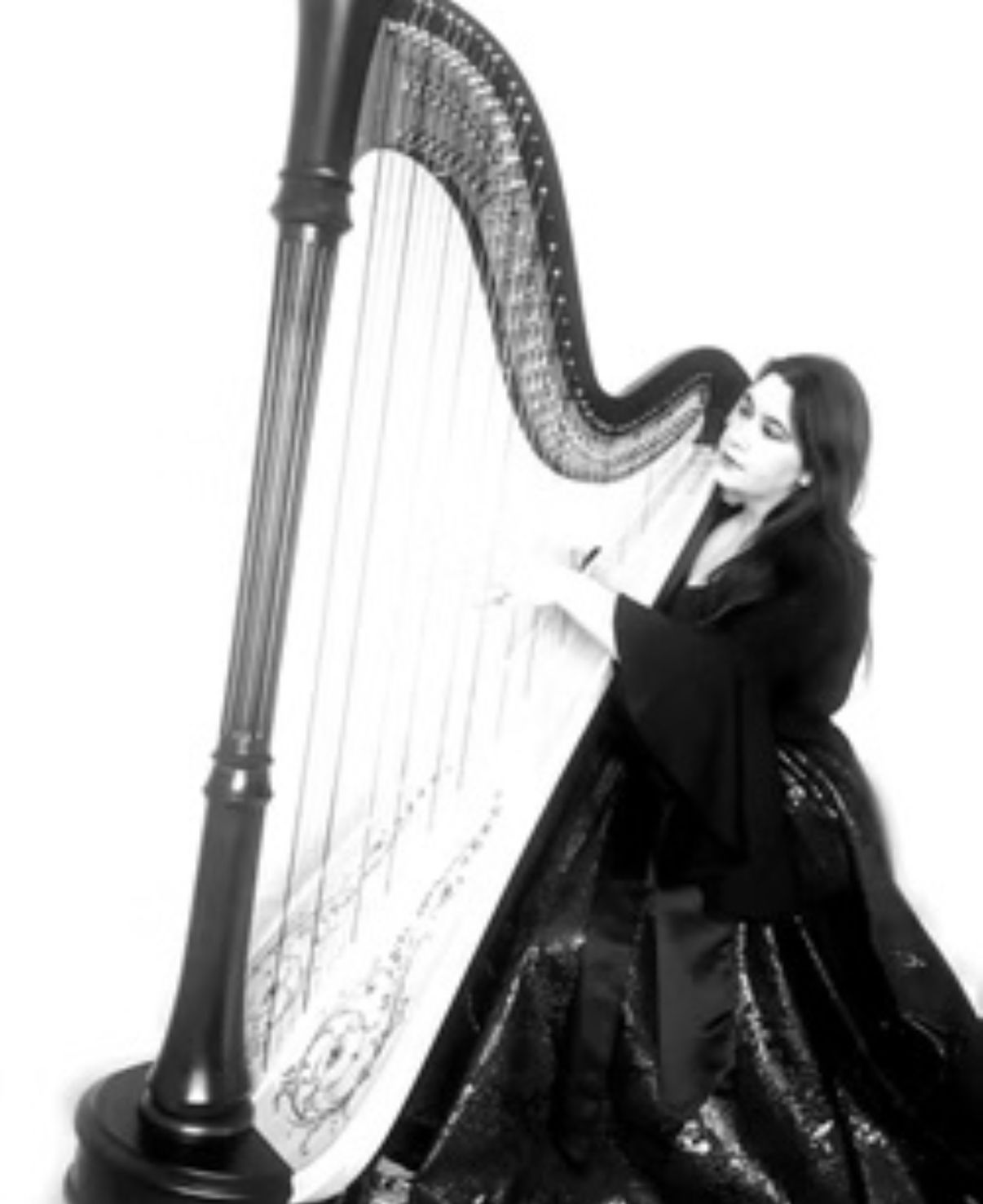
Inspired by the Mvskoke word for wind, Hotvle is a gorgeous new addition to the repertoire. Performed by Jacqueline Wilson (bassoon) and Joy Zickau (harp).
Featured on the album, "Daughter of the Wind: Works for the Bassoon by Living Native American Composers"
Mvskoke Months Suite
No. 6 June - Kvco Hvse
“Blackberry Month”
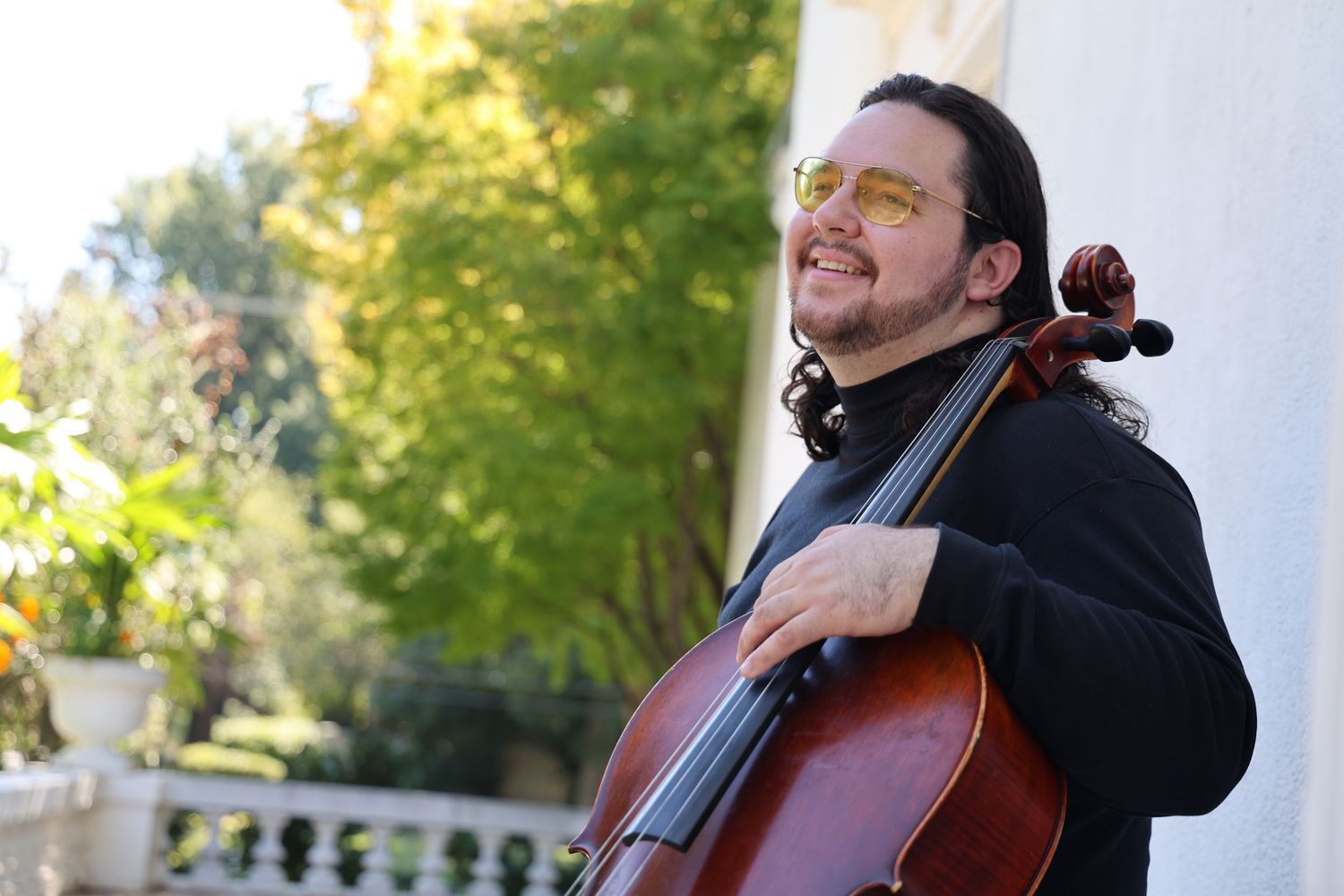
by Aryn Ward, Mvskoke/Yuchi
written for string quartet, adapted for flute quartet
Kvco Hvse “Blackberry Month” is No. 6 in the Mvskoke Month Suite that is based on the natural rhythmic dictation of the spoken a Mvskoke language for each calendar month. Kvco Hvse is pronounced “Goo-Joe Huhs-E.”
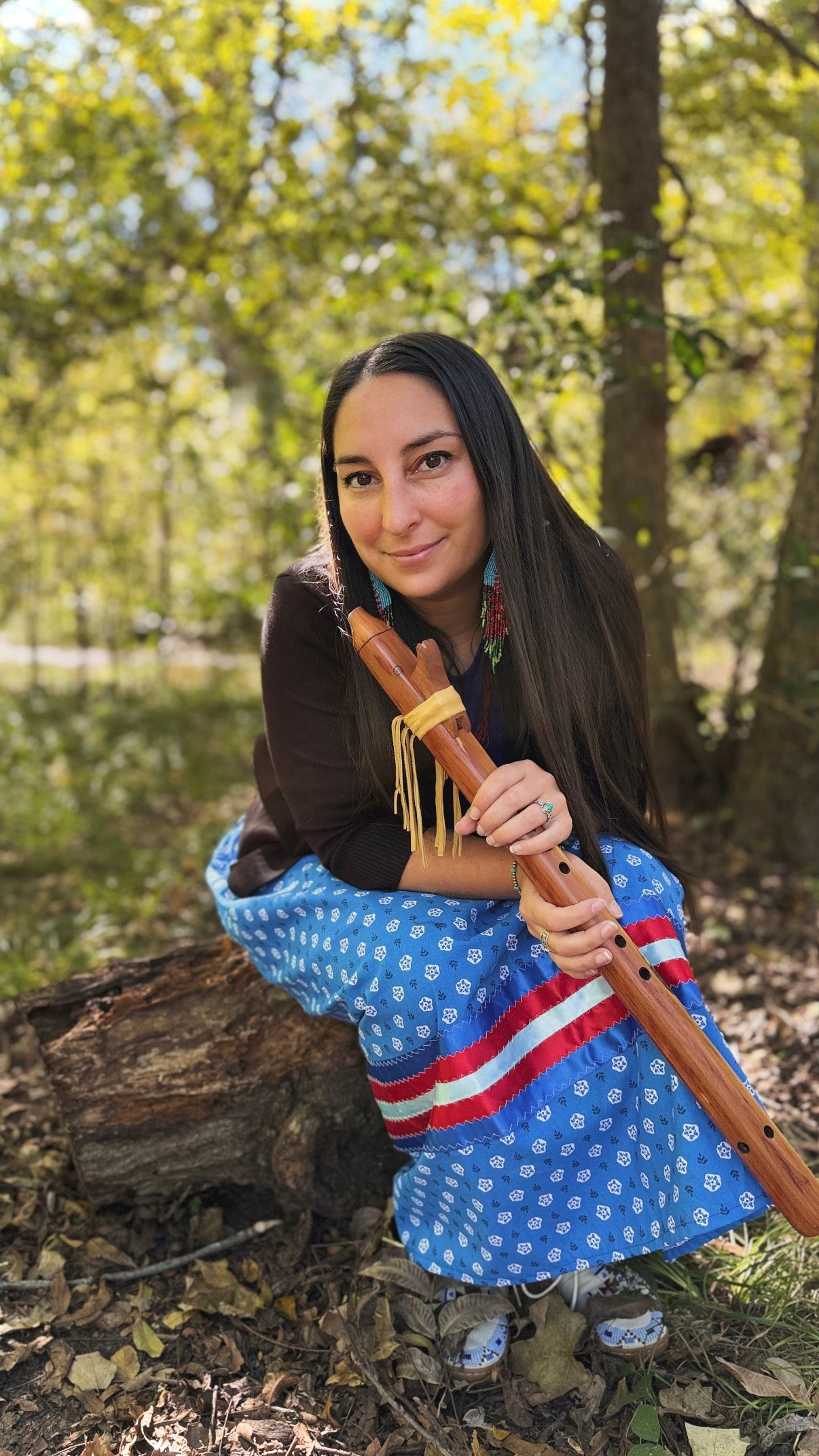
Originally composed for String Quartet, this piece has been adapted for flute quartet. In the warmth of June, the lower voices sing first with dolce e legato, "like the first taste of summer.” Lower voices introduce the melody gently, while the violins shimmer like sunlight through blackberry leaves, echoing and dancing in the background yet shining through occassionally. The pizzicato plucks or in this case the staccato notes mimic the joyful picking of berries, each note a memory, sweet and fleeting. The sound is ripe with the rhythm of the land and of gathering, laughter, sun on skin, and juice-stained fingers.
J11:35 (2024)
by Kiegan Ryan, Cherokee
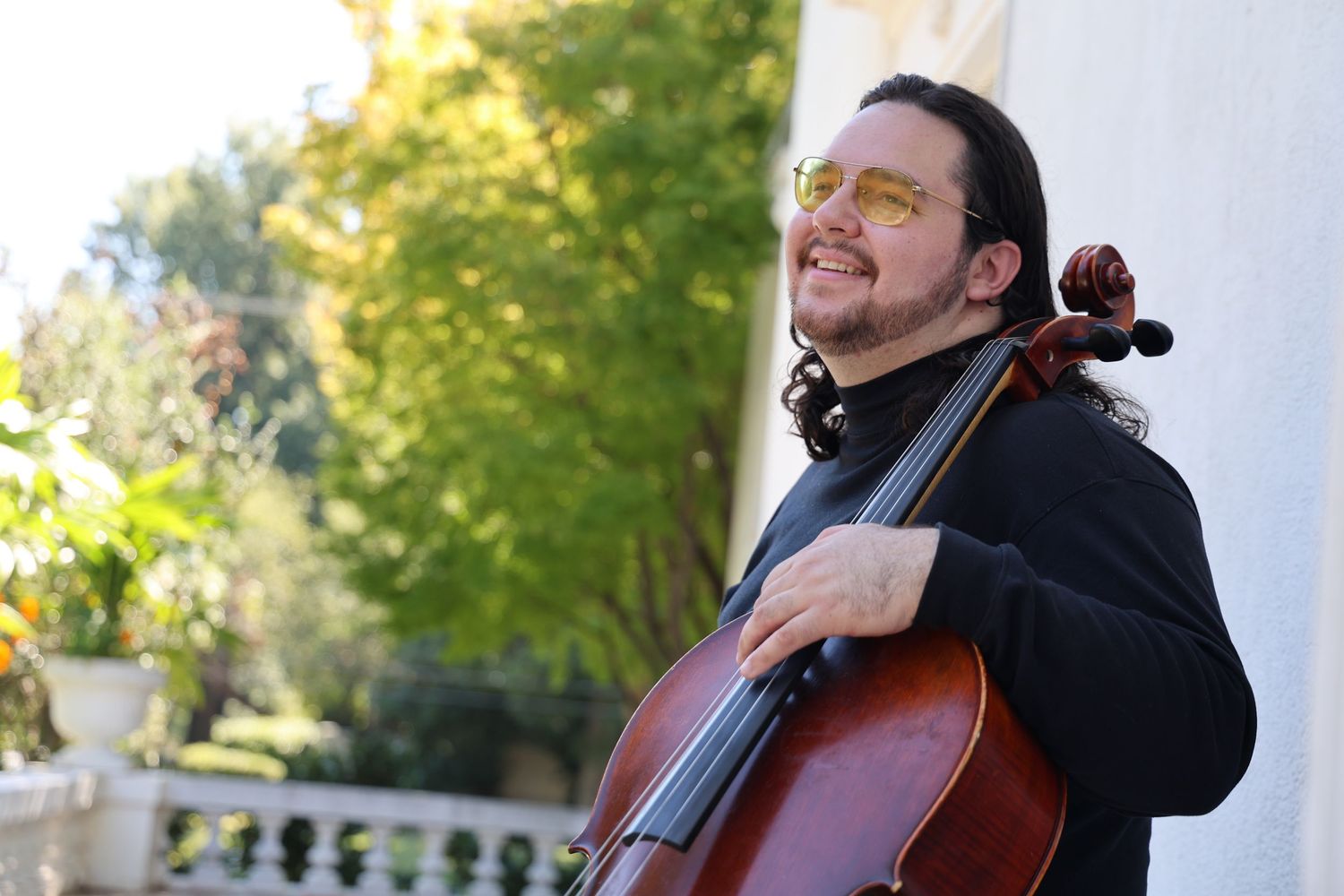
J11:35 (2024) for solo cello was written during the summer of 2024 during my time at First Presbyterian Church of Edmond. At the time I was a Worship Arts Academy Intern, in which I was asked if I would be interested in playing a prelude for one of the services during my time at the church. I have been an active church musician since I was thirteen years old at First Baptist Church of Broken Arrow. My first ever job at fifteen years old was singing as a Choral Scholar at St. Dunstan’s Episcopal Church in Tulsa. Since then I have worked as a cantor and as a cellist for a variety of different churches and denominations, learning the various musical traditions that are found across Christendom.
J11:35 is a reference to John 11:35, or “Jesus wept.” Many people might recognize this verse as the shortest verse in the bible, but many fail to recognize that the power of this verse isn’t the length of the verse itself, but the context in which it is found. The overall general story of John 11
is the death of Lazarus. Mary and Martha, the sisters of Lazarus, weep to Jesus wishing he would have arrived at their home sooner to heal Lazarus before he passed away. In a moment of distress and grief, Jesus mourns with them. Jesus eventually moves on to resurrect Lazarus, and his life is seen as a sign of Jesus’ divinity. However, while the story is a display of the divinity of Christ, I like to take this story as a beautiful testament of Jesus’ humanity. Jesus, in watching Mary and Martha’s
sadness, joins them and mourns with them. Even though he has the power to resurrect Lazarus immediately, takes the time to join Mary and Martha in grief, lending his love to them, not just as a savior or deity, but as a man, community member, and a friend. I think the notion of a divine
human grieving is a devastating juxtaposition. J11:35 aims to explore that contrast of divine plan and human rawness.
Hózhó (Navajo Strong)
Jerod Impichaachaata Tate
for Solo Soprano, Cello and Piano - 7'
Commissioned by White Snake Projects.
Premiered December 19, 2020
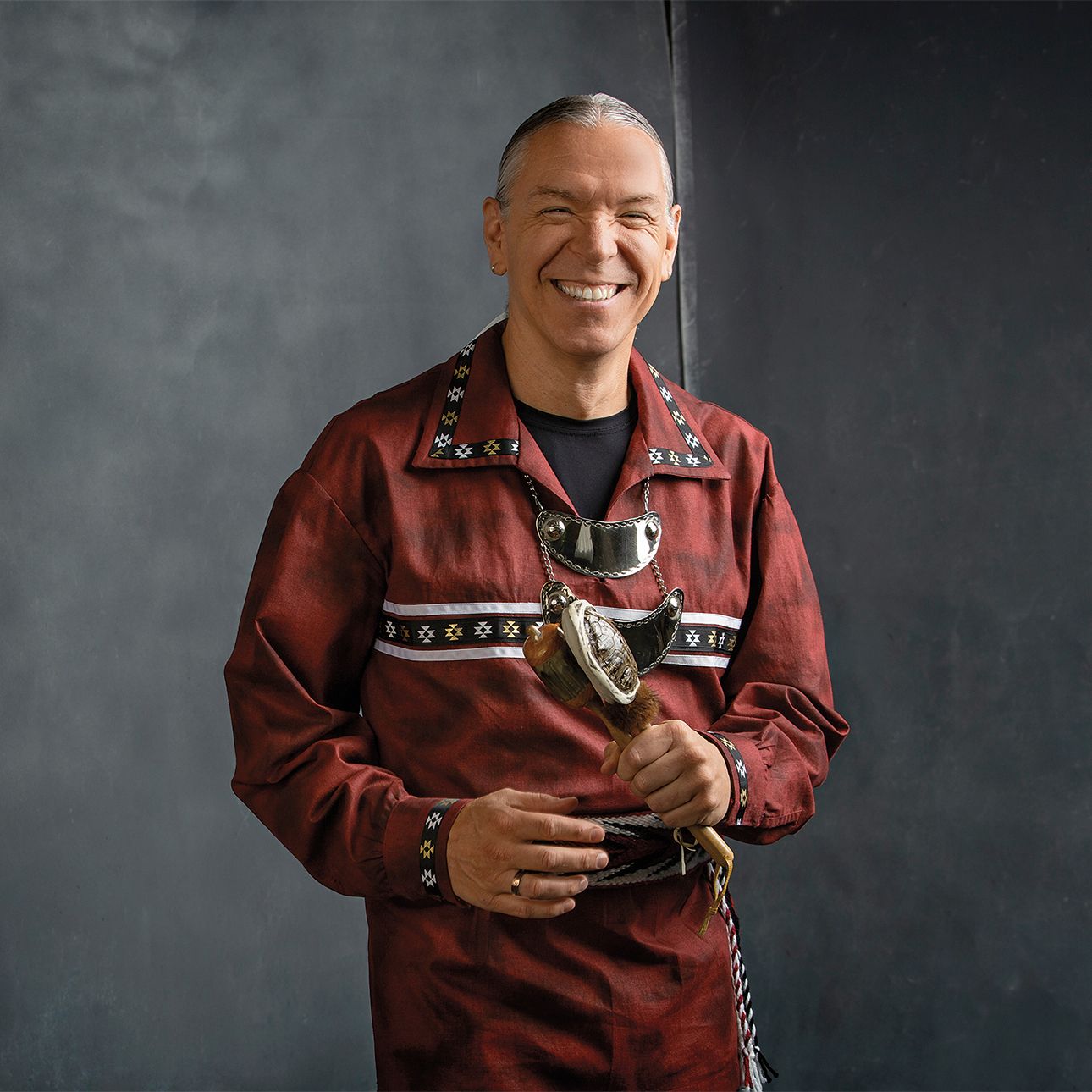
Hózhó (Navajo Strong) is composed for Sophina Calderon and is a musical reflection of her account of being a family doctor during the Covid-19 pandemic, on the Navajo reservation. It is based upon key words from her poem, Navajo Nation Strong and contains reflections of traditional Navajo songs. This work is dedicated to Sophina and her Navajo community. This work is to be performed with Navajo Nation Strong read aloud, followed by the composition, Hózhó.
Navajo Nation Strong
Text by Sophina Calderon, Family Physician, Tuba City, Arizona
Covid-19 exploded across our community in the Navajo Nation
Our families live in multigenerational households
Some without electricity or running water
Many with limited access to healthcare and transportation
We suspect our poverty has much to do
With our high rates of infection and death
I’m a family doctor working at the hospital I was born in
I now work in triage and the emergency room
I saw family and friends’ names among the list of positives
I saw familiar faces in the hallways and E.R.
I heard devastating stories about families losing many relatives
I am saddened to see patients fall prisoner to their anxiety and depression
To see them lose what little income they had
To feed their grandchildren and pay their bills
There’s an urgent call to reach back
To traditional teachings of balance and harmony
A concept known as “hozhó”
We believe in our resilience
The history of our survival is proof
That our people will come out strong
Hózhó
There's an urgent call to reach back!
We believe in hózhó!
Ung-ah eh ha eh. Ung-ah eh ha eh.
I saw families and friends.
So many faces I knew.
I heard their stories of families losing.
Saddened for their grandchildren.
There's an urgent call to reach back. Hózhó!
Our people will come out strong!
Sickness came across our community.
Houses without running water.
Poverty amid the shattered souls!
Depression, anxiety.
Desolated people who are fighting.
I'm a doctor working in the place that I was born.
Devastation: prisoners of this illness.
Ung-ah eh ha eh eh ah. Ung-ah eh ha eh eh ah.
Ung-ah eh ha eh hózhó. Ung-ah eh ha eh hózhó.
We believe.
History.
Survival.
Resilience.
We are proof.
Our people will come out strong.
Hózhó! Hózhó!
Witch of November in the White City
Commissioned by Chicago Fringe Opera
Words and Music by Dr. Kirsten C. Kunkle, Mvskoke

My mind marvels at the enormity of the Great Lakes.
I stand on the shore of Lake Michigan.
It is overcast and windy, the clouds are coming in fast.
It is only a matter of time until the downpour
and the gale force winds.
“The rain helps the crops,” they say,
but I think and feel so much more.
The air feels dense and heavy.
There are no sailboats out today.
The waves are stirring up and coming in faster.
I have minutes until the gusts over take me
and I will need cover.
But I wait, and my mind goes into a trance
as I watch the waves crest.
I think of all of my favorite places in this windy city
becoming windier by the moment.
Walking across the bridge at the Garden of the Phoenix,
evoking memories of the Giverny.
Bundling up in the cold, watching the few remaining geese on the frozen Wolf Lake.
Driving north from downtown up Lakeshore Drive
Trying not to get distracted
as the water creeps into my periphery
and takes over my entire right side.
New Year’s Eve at Navy Pier
watching fireworks over Lake Michigan.
The blue ones are always my favorite as they light up the sky and disappear into the dark abyss below.
Sweating damp in the heat of summer
and lounging near Buckingham Fountain
near Grant Park, sneaking touches of water
to cool my hot brow.
Before the buildings, technology, and even the city,
the water was there, shaping the land,
and fueling the people
The water was there, the rain, the waves, the ice.
It brought life to what is now Chicago, what is now the White City.
From the Ojibwe, Odawa, and Potawatomi,
the people who only took what they must
and always respected the land and the water.
I think of all of these things.
as the first drop of rain falls on my hand.
The droplets kiss the cresting wave for just a moment.
And I savor the sweetness in the air.
I close my eyes and break the trance.
When I open them, I am soaking wet.
And I can’t see where the rain ends...
and the waves begin.
The Witch of November has arrived
in the White City again,
and I am one with the rain and the waves,
I smile to myself, appreciating the ferocity of nature.
and the beauty of the city that surrounds me!
Hotgun on the Death of Yadeko Harjo
by Kirsten C. Kunkle
“Well so” Hotgun he say
My ol’ time friend, Yadeka Harjo
He was died the other day
and there was no
ol’ timer left but me.
“Hotulk Ernatha he was go to be
good Injin long time go
“An Woxie Harjoche been dead ten years or twenty
Maybe so
All had to die at las’
I live long time
but now my days was few ‘for long
poke weeds and grass be growin’
all around my grave house too
Wolf Warrior he listen close
an Kono-o Harjo pay close ‘tention too
Toofpaka Micco he almos’ let his pipe go out
a time or two.
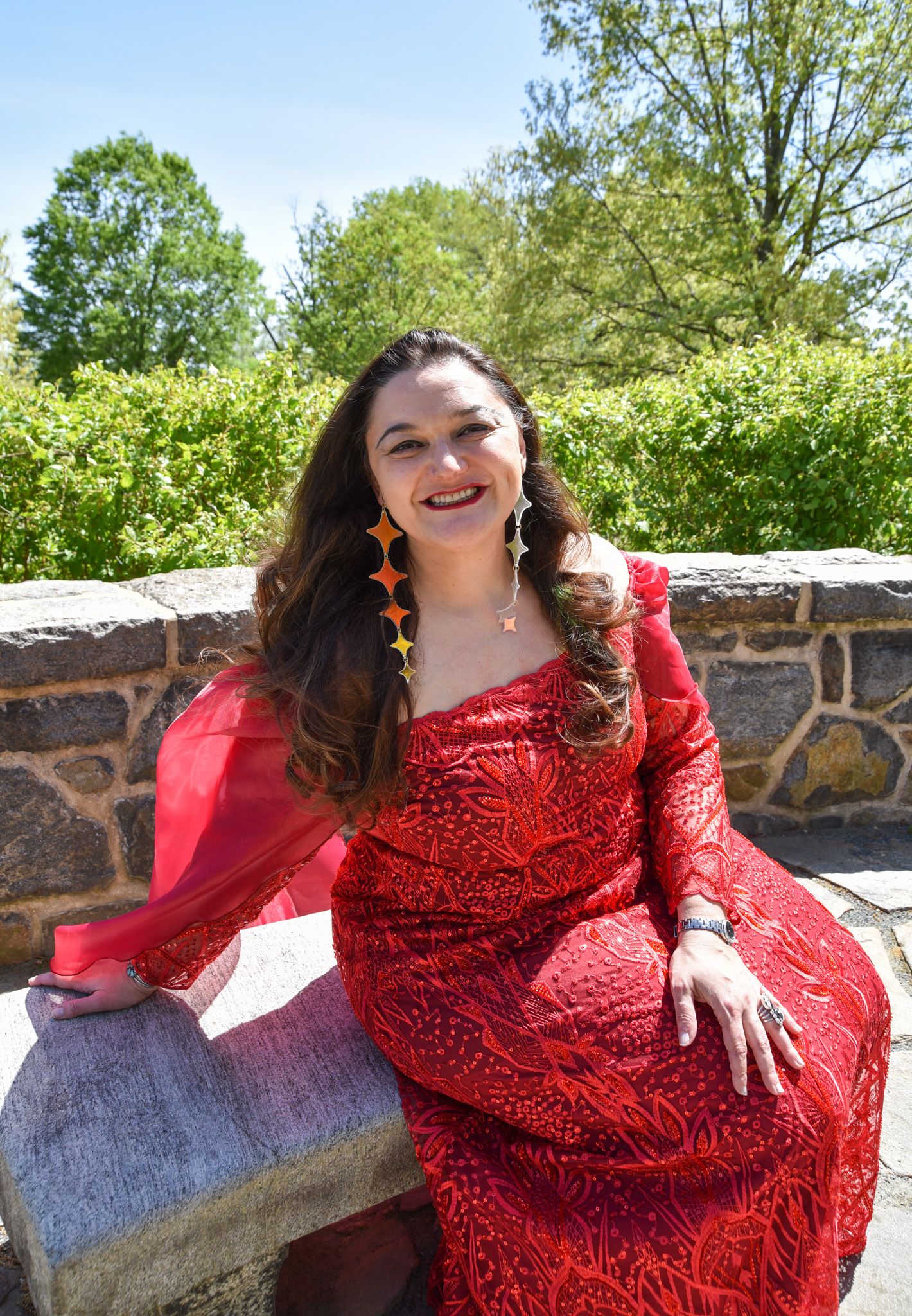
Laura Ortman, White Mountain Apache
Solo Set
Laura Ortman (White Mountain Apache) is a dynamic musician and composer whose work spans performance, recording, and film. Performing on amplified and Apache violin, vocals, piano, and electric guitar, she blends experimental sound with Indigenous expression. Her acclaimed work My Soul Remainer was featured at the 2019 Whitney Biennial. Founder of The Coast Orchestra, Ortman has performed internationally and received honors including the United States Artists Fellowship, Native Arts & Cultures Fellowship, Rauschenberg Residency, and Forge Fellowship. Laura was also recently featured in Vogue, in a piece written by Christian Allaire entitled, "Laura Ortman is the Transcendent Violinist with Eccentric Style."
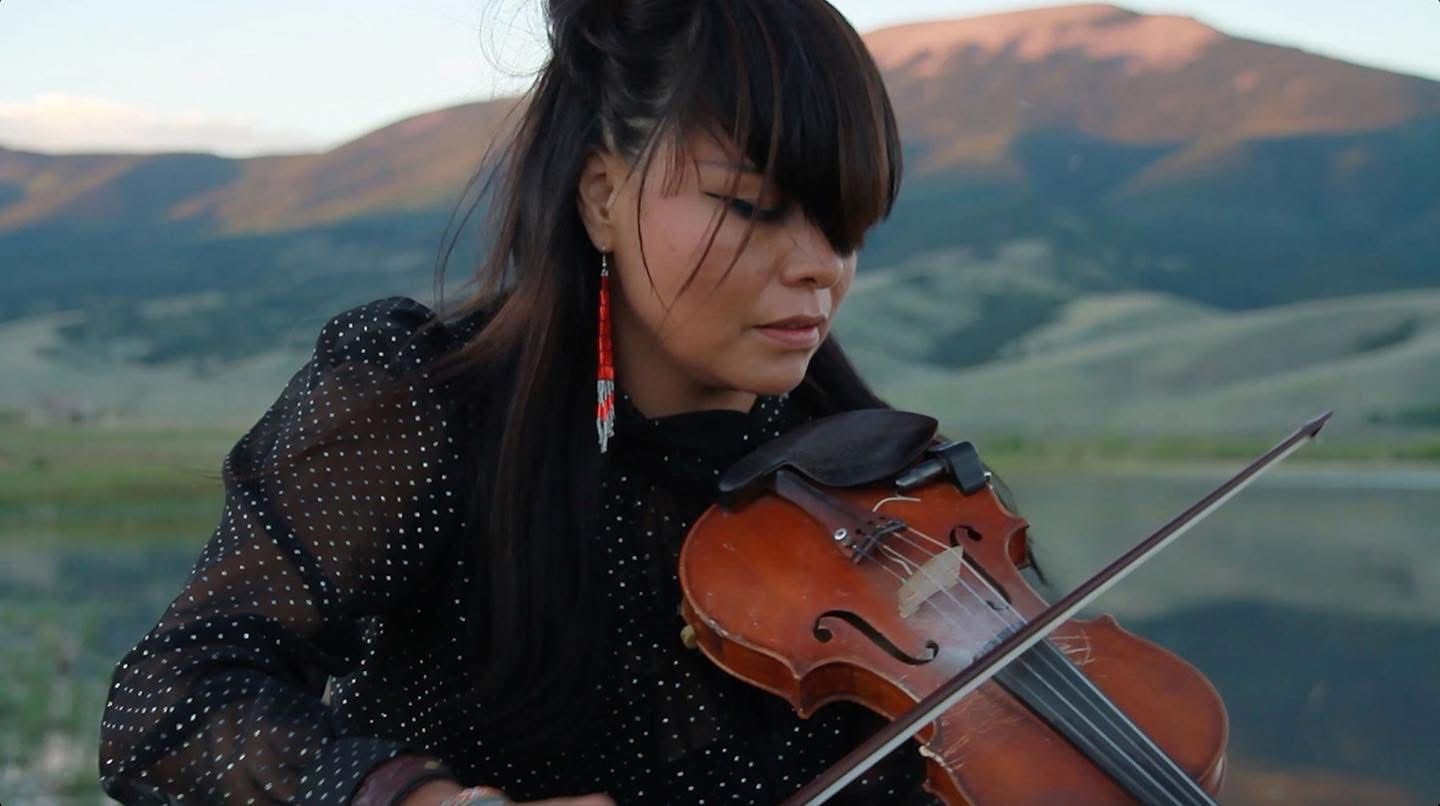
Raven Chacon, Diné
Raven Chacon is a composer, performer, and installation artist born at Fort Defiance, Navajo Nation. A recording artist over the span of 24 years, Chacon has appeared on over eighty releases on national and international labels. He has exhibited, performed, or had works performed at LACMA, The Whitney Biennial, Borealis Festival, SITE Santa Fe, Swiss Institute Contemporary Art New York, and more. As an educator, Chacon is the senior composer mentor for the Native American Composer Apprentice Project (NACAP). In 2022, he was awarded the Pulitzer Prize in Music for his composition Voiceless Mass, and in 2023 was awarded the MacArthur Fellowship.